TL;DR:
- Proper planning and permitting are essential to avoid delays and unforeseen costs.
- Hiring experienced local professionals ensures smoother construction and compliance with regulations.
- Following a detailed checklist increases the likelihood of on-time, on-budget pool completion and safety compliance.
Adding a backyard pool in Central Indiana sounds straightforward until you realize how many moving parts are involved. Permits, HOA rules, contractor selection, drainage evaluations, and family scheduling all have to line up before a single shovel hits the ground. Miss one step and you could be looking at weeks of delays or thousands in unexpected costs. This checklist is designed to walk you through every stage, from setting your goals to your first swim, so you can avoid the most common mistakes and get the most out of your investment.
Table of Contents
- Start with your goals and planning
- Permits, HOA approvals, and neighborhood rules
- Choosing your team: Builder, design, and timing
- Timeline and construction: What to expect
- Final checklist: Low-maintenance and maximum value
- Our take: Why most pool projects fail the checklist test (and how to succeed)
- Ready to make your pool dreams reality?
- Frequently asked questions
Key Takeaways
| Point | Details |
|---|---|
| Plan before you dig | Careful budgeting, measuring, and research prevent costly mid-project surprises. |
| Permits take time | Securing permits and HOA approval in Central Indiana adds 4-8 weeks to your timeline. |
| Choose experience | Hiring a local, reputable builder supports smoother projects and lasting results. |
| Integration boosts value | Backyard features like outdoor kitchens or decks increase pool enjoyment and resale value. |
| Checklist protects your investment | Using a detailed checklist ensures every step is covered for safety, value, and peace of mind. |
Start with your goals and planning
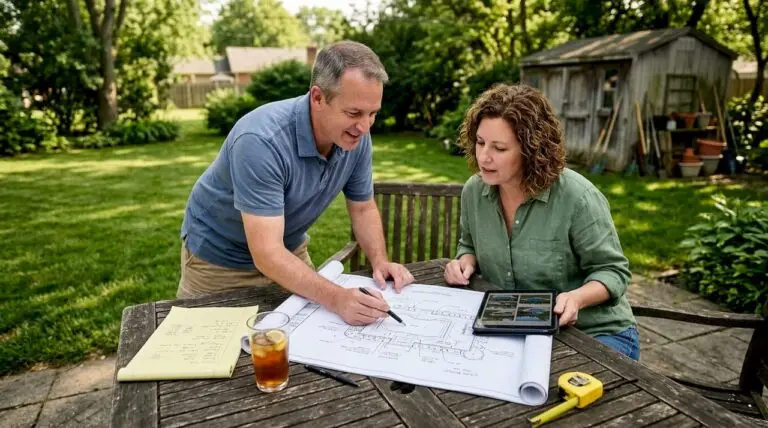
Before you call a single contractor, get clear on why you want a pool. Is it for family fun on summer weekends? Daily lap swimming? Entertaining guests with a resort-style setup? Your answer shapes every decision that follows, from pool shape and depth to the features you prioritize.
Start by reviewing pool planning basics to understand how your goals connect to design choices. Then work through these foundational steps:
- Define your purpose. Family fun, fitness, entertaining, and home value are all valid goals, but they lead to different pool types and add-ons.
- Set a realistic budget. Include construction, permits, landscaping, utility upgrades, and a 10 to 15% contingency fund for surprises.
- Measure your yard. Note the location of utility lines, trees, slopes, drainage patterns, and any existing structures.
- Check lot restrictions. Setback requirements and easements can limit where your pool can go.
- Gather inspiration. Browse pool styles, deck materials, and outdoor living layouts before your first design meeting.
As outlined in the pre-install planning guide, defining your budget with a contingency, measuring your space, identifying obstacles, and clarifying family needs are the non-negotiable first steps before any design work begins.
It also helps to review questions before you build so you walk into early conversations with contractors well prepared.
Pro Tip: Write out your must-haves versus nice-to-haves before your first design consultation. When costs rise, and they often do, this list helps you make faster, smarter decisions without second-guessing yourself.
Permits, HOA approvals, and neighborhood rules
Once your dream design is drafted, you have to navigate paperwork before bringing it to life. This stage catches more homeowners off guard than any other part of the process.
Here is a step-by-step overview of what to expect:
- Contact your local municipality. Request a list of required permits and zoning regulations specific to your address.
- Submit your pool plans. Most jurisdictions require detailed drawings, including pool dimensions, equipment placement, and drainage plans.
- Provide contractor documentation. This typically includes proof of license, liability insurance, and sometimes a bond.
- Apply for HOA approval if applicable. Submit your plans along with material samples, color choices, and any required application fees.
- Wait for review and respond to any requests. Plan reviewers may ask for revisions or additional information before issuing approval.
The HOA approval process typically takes 4 to 8 weeks and requires complete plans along with contractor proof. Common restrictions include pool size limits, approved fencing types, noise ordinances, and designated pool hours.
“Most surprises and delays come from incomplete paperwork or overlooked rules.”
Common pool safety codes also dictate fence height, gate latch requirements, and barrier placement. Skipping a review of these requirements early is one of the fastest ways to add weeks to your project. Review the full list of pool approval questions to make sure nothing falls through the cracks.
Choosing your team: Builder, design, and timing
With your approvals underway, the next step is assembling the right team for a smooth project. Your builder is the single most important decision you will make in this entire process.
A local, experienced, full-service builder reduces delays because they already know Central Indiana’s permit offices, soil conditions, and seasonal constraints. When evaluating builders, look for:
- Valid license and insurance. Non-negotiable. Ask for copies before signing anything.
- A strong local portfolio. Photos and references from completed projects in your area carry more weight than national awards.
- Full-service capability. A builder who handles permits, excavation, plumbing, electrical, decking, and landscaping keeps your project on one timeline.
- Transparent contracts. Everything included in the price should be spelled out, including warranties on labor and materials.
- Clear communication. You should know exactly who your point of contact is and how often you will receive updates.
Choosing a builder with 20-plus years of local experience and full-service capabilities from permits to landscaping significantly reduces the risk of miscommunication and costly handoffs between contractors.
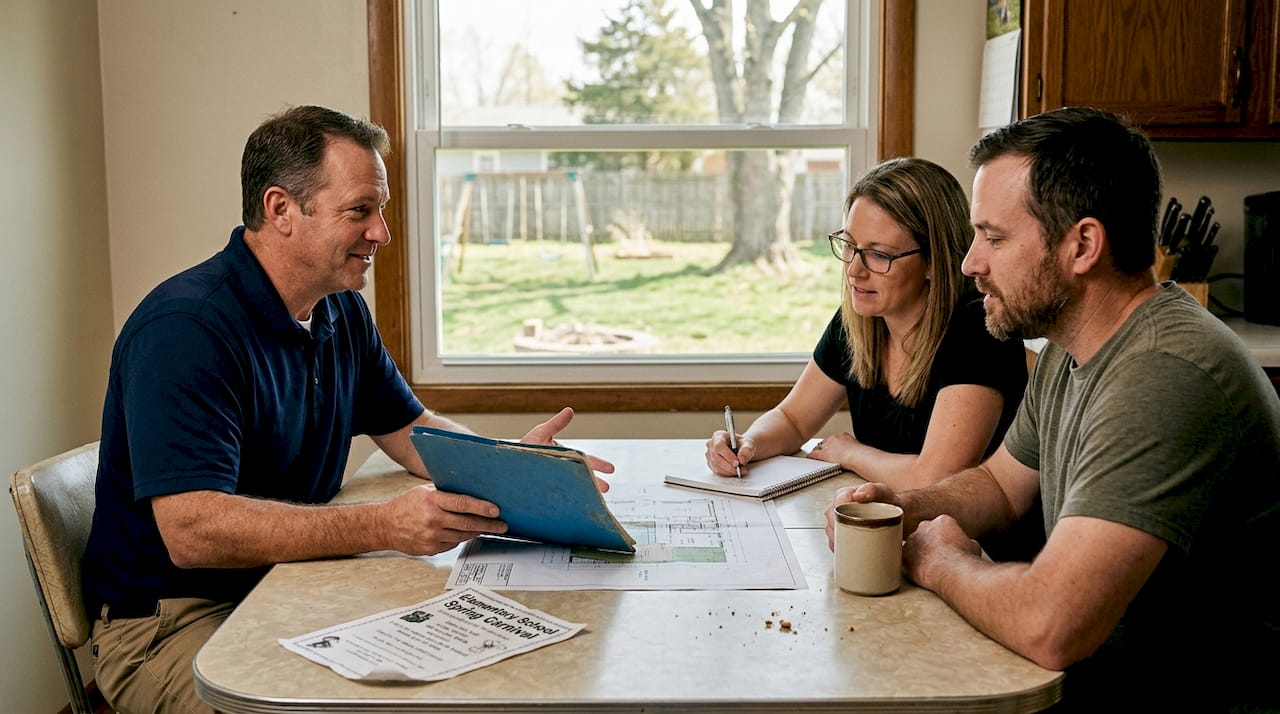
Review the factors in pool construction that affect your timeline and budget, and prepare a list of questions to ask your builder before you commit.
Pro Tip: In Central Indiana, starting your pool project between April and October gives you the best conditions for excavation, concrete curing, and equipment installation. Pushing into late fall risks weather-related delays and freeze damage during construction.
Timeline and construction: What to expect
After choosing your experts, you will want to know exactly what happens and when. Construction timelines vary based on pool type, add-ons, weather, and permit speed, but here is a realistic breakdown:
| Stage | Typical duration |
|---|---|
| Planning and design | 2 to 4 weeks |
| Permits and HOA approval | 4 to 8 weeks |
| Excavation | 1 to 2 days |
| Plumbing and electrical rough-in | 1 to 2 weeks |
| Pool shell installation | 5 to 8 weeks (varies by type) |
| Decking and coping | 1 to 2 weeks |
| Equipment setup and finishing | 1 to 2 weeks |
| Total from start to first swim | 14 to 26 weeks |
The full installation process breaks down each phase week by week, which is useful for syncing your family schedule with construction activity. Here is the order of major stages:
- Finalize design and sign contract
- Submit permits and HOA applications
- Utility marking and site preparation
- Excavation
- Plumbing and electrical rough-in
- Pool shell or liner installation
- Backfill and decking
- Equipment installation and startup
- Final inspection and owner walkthrough
Weather is the biggest wildcard in Central Indiana. A wet spring can delay excavation by days or weeks. Your pool type also matters. Fiberglass pools install faster than vinyl liner or concrete pools because the shell arrives pre-formed. Add-ons like outdoor kitchens, fire features, and custom decking extend the schedule but add long-term value.
Schedule regular site check-ins with your builder throughout construction. Catching a small issue early, like a drainage concern or a layout adjustment, is far easier than addressing it after concrete is poured.
Final checklist: Low-maintenance and maximum value
With the construction process clear, make sure you finish strong with lasting value and easy care. The features you choose now will determine how much time and money you spend on upkeep for years to come.
Low-maintenance upgrades worth considering:
- Saltwater chlorination systems (gentler on skin, lower chemical costs)
- Automatic pool cleaners or robotic vacuums
- Variable-speed pumps (energy-efficient and quieter)
- Smart pool controls (manage temperature, lighting, and cleaning from your phone)
- LED lighting (long lifespan, low energy draw)
- Quality pool covers (reduce evaporation, debris, and heating costs)
| Feature | Value-add | Maintenance level |
|---|---|---|
| Saltwater system | High | Low |
| Robotic cleaner | Medium | Low |
| Smart controls | High | Low |
| Outdoor kitchen | High | Medium |
| Fire feature | High | Low |
| Diving board | Low | Medium |
| Elaborate water features | Medium | High |
A pro-installed pool adds 5 to 8% to your home’s value when properly maintained, with an ROI around 56%. Full backyard integration, including decking, an outdoor kitchen, and fire features, maximizes both daily use and resale appeal.
Before your final walkthrough, confirm these essentials are complete:
- Pool fencing and safety features meet local code
- All electrical is GFCI protected
- Equipment warranties are documented
- Owner’s manual and startup chemicals are provided
- Review the installation FAQs for post-construction questions
Our take: Why most pool projects fail the checklist test (and how to succeed)
After more than four decades of building pools across Central Indiana, we have seen the same patterns repeat. Projects that run over budget or drag past their deadline almost always share one thing in common: the planning phase was rushed.
Homeowners underestimate how long permits take. They skip the HOA review until the last minute. They hire on price alone and end up managing multiple subcontractors themselves. These are not rare exceptions. They are the norm when planning is treated as optional.
The checklist is not just a formality. It is the difference between a project that finishes on time and one that costs 20% more than expected. Review the essential questions for success at each stage, not just at the start.
Pro Tip: Treat your checklist as a living document. Update it as decisions are made, approvals come in, and your design evolves. Consult your builder at each milestone to confirm nothing has been missed.
“A well-used checklist is your best insurance against expensive headaches.”
The families who enjoy their pools the most are the ones who invested time upfront. That investment pays off every single summer.
Ready to make your pool dreams reality?
You have the checklist. Now it helps to see what a finished project actually looks like. Browse the Hough project for a real example of how thoughtful design and expert construction come together in a Central Indiana backyard.
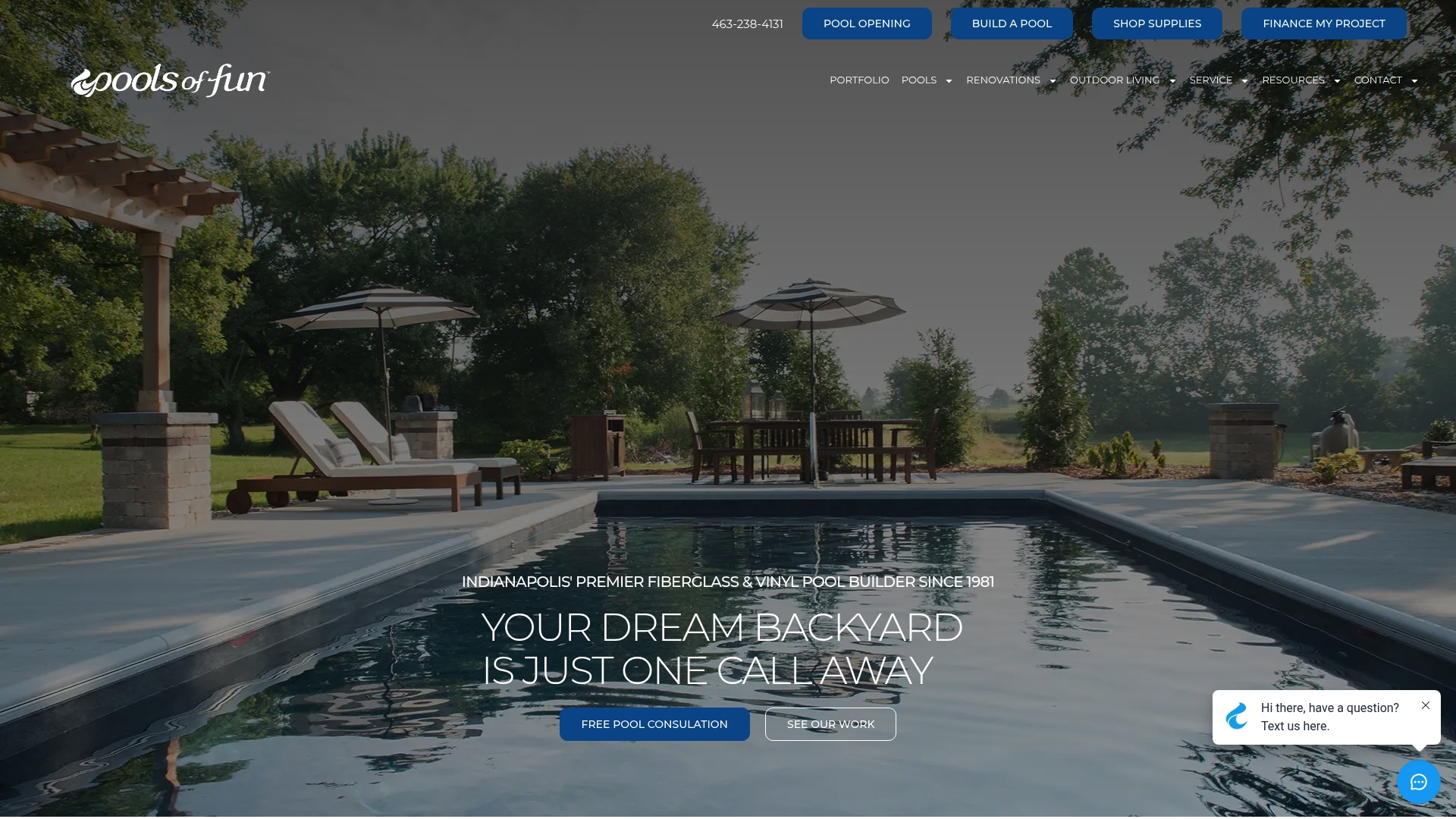
When you are ready to explore what is possible for your own yard, the outdoor living upgrades section shows how pools, patios, kitchens, and fire features can work together as one cohesive space. Pools of Fun has been building backyard transformations since 1981, and our team is ready to guide you from your first question to your first swim. Start your journey with a free consultation at Pools of Fun and put this checklist to work with experts who know Central Indiana inside and out.
Frequently asked questions
How long does it take to get permits and HOA approval for a backyard pool in Central Indiana?
It usually takes 4 to 8 weeks to obtain permits and HOA approval, depending on required documents and review schedules. Starting this process early is one of the best ways to keep your overall project on track.
What should I include in my budget for a new pool?
Plan for construction, permits, HOA fees, landscaping, utility upgrades, and a 10 to 15% contingency for unexpected costs. Leaving out any of these categories is one of the most common budgeting mistakes homeowners make.
When is the best time to start backyard pool construction in Central Indiana?
The ideal window is April to October to avoid winter weather delays and ensure proper installation. Starting early in that window also gives you more flexibility if permits take longer than expected.
Will a professionally installed pool add value to my home?
A pro-installed pool adds 5 to 8% to your home’s value, especially with consistent maintenance and full backyard integration. Pairing your pool with outdoor living features strengthens that return even further.
What are the most important safety features for a backyard pool?
Fencing, self-latching gates, alarmed doors and windows, and compliant pool covers are key safety features in Indiana. Confirming these meet local code requirements should be part of your final pre-completion walkthrough.